


 Deutsch
 English
 Español
 Français
 Nederlands
 Português


 Share
Share




Global Crises Intensify: Iran Strikes Strait of Hormuz, Hamas Transfers Power, and Sudan Faces Genocide Warnings
July 2026 has emerged as one of the most consequential months in recent global affairs, with multiple overlapping crises demanding urgent international attention. From Iran firing missiles at commercial tankers in the Strait of Hormuz to Hamas announcing the dissolution of its Gaza government, and UN investigators warning of genocide in Sudan's El Fasher region, the world is witnessing a dramatic escalation across several geopolitical fault lines. These developments come amid a worsening global debt crisis and ongoing humanitarian emergencies, reshaping the international landscape in real time.
Iran Attacks Commercial Shipping in the Strait of Hormuz
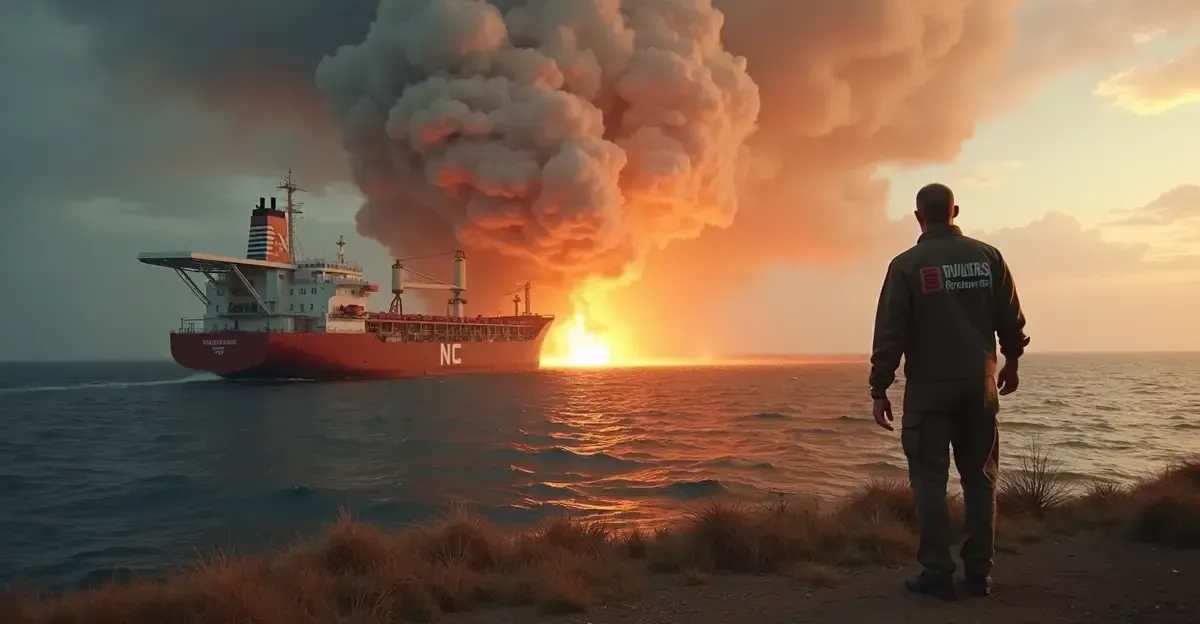
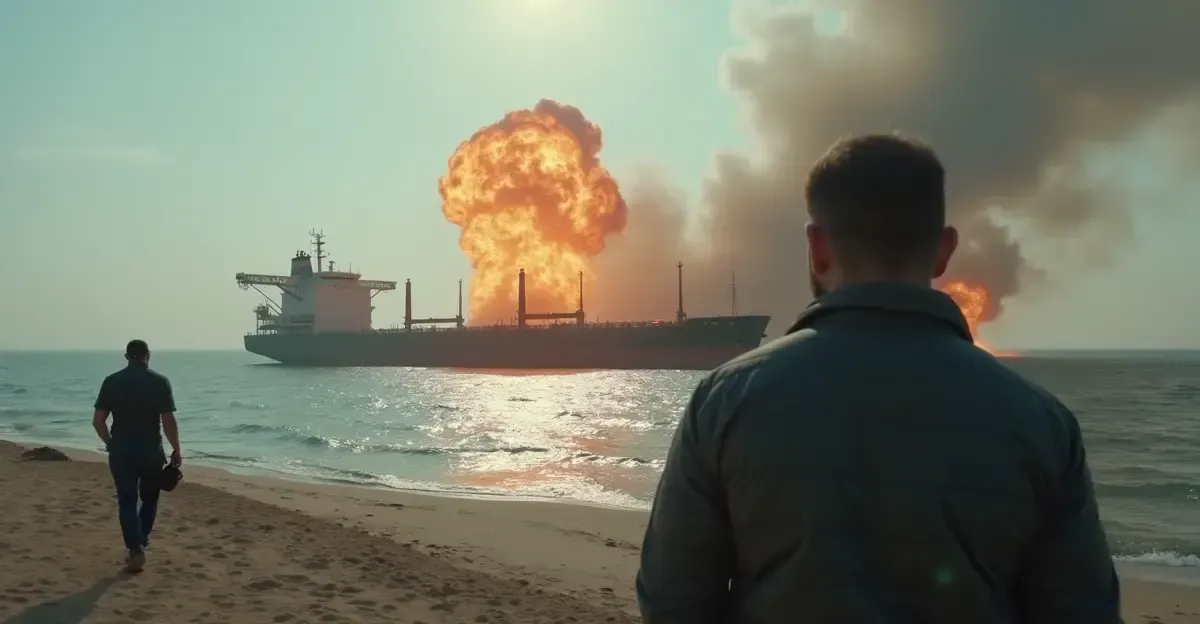
On July 7, 2026, Iran's Islamic Revolutionary Guard Corps (IRGC) launched at least two missiles at commercial ships transiting the Strait of Hormuz, a strategic waterway through which approximately 20% of the world's oil passes. The strikes significantly damaged a Saudi-flagged crude oil tanker and a Qatari LNG tanker, the Al Rekayyat, which was hit on its port side near the engine room, causing a fire. The crew was evacuated, and no casualties were reported, but the incident marks a serious escalation in regional tensions.
The attack comes amid heightened US-Iran tensions following the killing of Supreme Leader Ayatollah Ali Khamenei in a February 2026 airstrike. President Donald Trump has threatened to 'finish the job' if no nuclear deal is reached. The IRGC had warned ships prior to the attack to use Iranian-designated routes, stating their missiles and drones were ready. Qatar condemned the attack as a violation of international law, holding Iran fully responsible. The Strait of Hormuz shipping crisis threatens to disrupt global energy markets and maritime security, with the UK Maritime Trade Operations agency confirming the incidents.
Ceasefire Under Strain
The missile strikes test the durability of an existing cease-fire agreement between Iran and regional powers. Analysts warn that any prolonged disruption to shipping through the Strait of Hormuz could send oil prices soaring and trigger a broader military confrontation involving naval forces from the United States and its allies. The situation underscores the fragility of diplomatic arrangements in the Middle East.
Hamas Announces Dissolution of Gaza Government
In a significant political development on July 6, 2026, Hamas announced its readiness to dissolve its government in Gaza and transfer authority to the US-backed National Committee for the Administration of Gaza (NCAG), a technocratic body chaired by Ali Shaath. The move aligns with the October 2025 ceasefire agreement and UN Security Council Resolution 2803. However, Hamas did not pledge to disarm—a key Israeli and US demand.
Israeli Foreign Minister Gideon Saar dismissed the announcement, demanding that Hamas also disarm as part of any transition. Prime Minister Benjamin Netanyahu insisted on disarmament before any reconstruction can begin. The US-backed Board of Peace stated its assessment would be guided by actions, not promises, emphasizing that all weapons in Gaza must fall under NCAG control. The incoming leadership faces a severe humanitarian crisis, with over half a million people facing catastrophic hunger and 76,000 displaced persons in emergency shelters. The Gaza humanitarian crisis 2026 remains one of the world's most pressing emergencies.
Uncertain Path Forward
No clear timeline for the handover was provided, and Israel accused Hamas of attempting a 'trick' to maintain behind-the-scenes control while relinquishing formal governance. Meanwhile, the IDF continued military operations, eliminating several Hamas commanders in recent strikes. The peace plan has stalled at phase two, which requires Hamas's disarmament and rebuilding plans for Gaza.
Sudan: UN Warns of Genocide in El Fasher
UN investigators have warned that the Rapid Support Forces (RSF) militia's tactics in El Fasher, Sudan—including mass killings, abductions, and gang rapes—bear markers of genocide. The UN Fact-Finding Mission for Sudan reported that before taking El Fasher in October 2025 after an 18-month siege, the RSF systematically cut off civilians' access to food, water, and medical aid, then killed over 6,000 people in three days through door-to-door executions and indiscriminate attacks.
The RSF is now encircling El Obeid, attacking critical infrastructure and restricting essential services. The war between the Sudanese Armed Forces and RSF has killed at least 59,000 people and displaced over 14 million, creating the world's worst humanitarian crisis with 33.7 million people in need of aid. Amnesty International has concluded that the RSF committed crimes against humanity and ethnic cleansing during its campaign to seize El Fasher. The Sudan civil war displacement crisis continues to worsen with no end in sight.
Venezuela Earthquakes: A Humanitarian Emergency
On June 24, 2026, two powerful earthquakes (magnitudes 7.2 and 7.5) struck north-central Venezuela, devastating states including La Guaira, Distrito Capital, Miranda, Carabobo, Aragua, and Falcón. As of July 6, 3,535 people have died and over 16,740 have been injured. More than 2,500 infrastructure assets—including 38 hospitals—were damaged, disrupting healthcare, water supply, and transport. The disaster is an acute-on-chronic emergency, exacerbating pre-existing vulnerabilities. Thousands of displaced families are sheltering in collective centres, spontaneous settlements, and open spaces. Significant gaps remain in shelter, healthcare, mental health support, and WASH services.
Global Debt Crisis Deepens
The Global Debt Report 2026 reveals that total world debt reached $348 trillion by the end of 2025, with sovereign and corporate bond markets swelling to $109 trillion (93% of global GDP). Nearly half the world's population lives in countries spending more on debt interest than on education or health. A key driver is the AI infrastructure buildout, requiring an estimated $5.2 trillion in global investment. Regulators warn that opaque debt structures could trigger systemic risks reminiscent of the 2008 financial crisis if AI investments fail to monetize.
Srebrenica Survivors Warn of Rising Denial
As the International Day of Reflection and Commemoration of the 1995 Srebrenica genocide approaches on July 11, survivors working as curators and archivists at the Srebrenica Memorial Centre have warned that genocide denial is rising, with younger generations being taught false narratives. Amra Begic Fazlic noted that denial is the last phase of genocide and that war criminals are being glorified in Bosnia. UN Secretary-General António Guterres called for safeguarding the truth against revisionism.
FAQ
What happened in the Strait of Hormuz in July 2026?
On July 7, 2026, Iran fired missiles at commercial ships in the Strait of Hormuz, damaging a Saudi oil tanker and a Qatari LNG tanker. The attack escalated US-Iran tensions and threatened global oil supplies.
Did Hamas really give up power in Gaza?
Hamas announced on July 6, 2026, that it would dissolve its government and hand power to a technocratic body (NCAG), but it did not agree to disarm. Israel and the US remain skeptical, demanding disarmament as a condition for reconstruction.
Is there a genocide happening in Sudan?
UN investigators have warned that the RSF militia's actions in El Fasher bear markers of genocide, including mass killings, abductions, and gang rapes. Over 6,000 people were killed in three days during the siege of El Fasher.
How severe was the Venezuela earthquake in June 2026?
Two earthquakes of magnitudes 7.2 and 7.5 struck Venezuela on June 24, 2026, killing 3,535 people, injuring over 16,740, and damaging 2,500 infrastructure assets including 38 hospitals.
What is the global debt situation in 2026?
Global debt reached $348 trillion by end of 2025, with nearly half the world's population living in countries spending more on debt interest than on education or health. AI infrastructure is a major driver of new debt.

Follow Discussion